


The Significance and Advantages of Small-Batch Production
30 December 2025


Prototype manufacturing is an essential step in modern product development and industrial innovation. It transforms conceptual designs and 3D models into physical samples, allowing engineers and designers to verify product structure, appearance, performance, and assembly feasibility before mass production. As a critical bridge between design and formal manufacturing, prototyping greatly reduces development risks, shortens launch cycles, and supports continuous product optimization.
One of the most valuable advantages of prototype manufacturing is risk reduction and cost control. Defects in structure, size, or ergonomics can be identified and revised at the early development stage. Fixing design flaws during prototyping requires far lower costs than modifying molds and production lines after mass production starts, effectively avoiding massive economic losses.
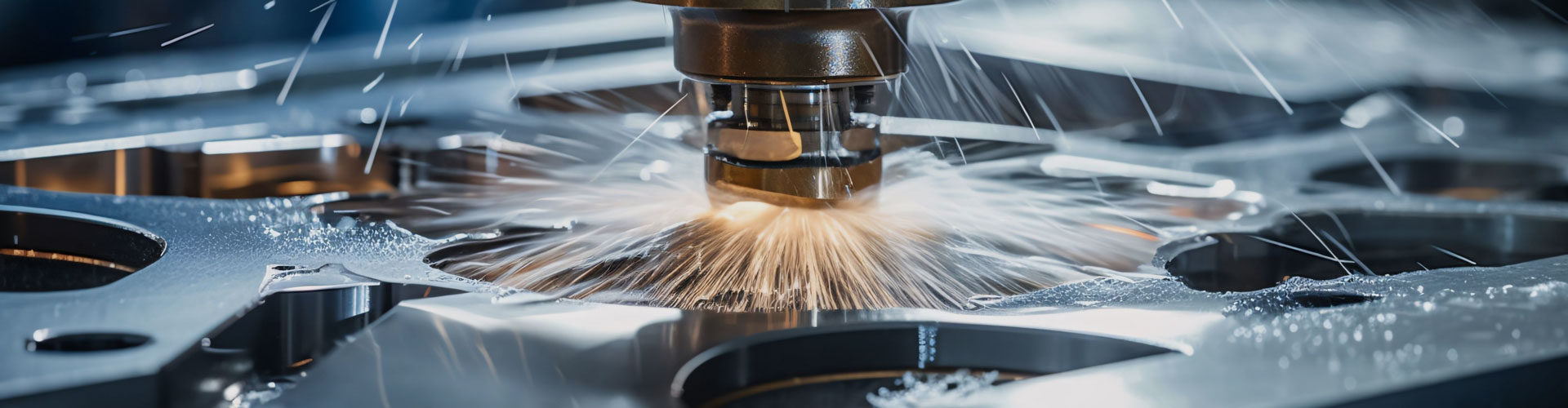
In addition, rapid prototyping significantly accelerates time-to-market. With advanced CNC machining, 3D printing, and precision processing technologies, physical prototypes can be completed within a short cycle. It enables enterprises to quickly complete product testing, customer verification, and scheme iteration, helping brands seize market opportunities in fierce industry competition.
Prototype manufacturing also supports high-precision customization and innovative verification. It perfectly adapts to complex structures, special-shaped parts, and personalized design requirements. Enterprises can verify new materials, new processes and innovative structures through prototypes, continuously improve product stability and usability, and lay a solid foundation for standardized, high-quality mass production.